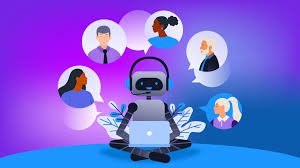
What is Personalized Patient Engagement?
It’s when healthcare providers use AI to tailor interactions based on a patient’s history, preferences, and needs.
Instead of sending the same generic message to everyone, AI helps customize:
✓ Emails with health tips relevant to the patient’s condition
✓ Appointment reminders at the best time for each person
✓ Follow-up messages that address individual concerns.
Why Does It Work?
People ignore generic ads but pay attention when something feels made for them. A study by Accenture found that 91% of patients are more likely to choose brands that recognize and remember them.
Cleveland Clinic introduced an AI-powered chatbot to handle common patient questions. Instead of waiting on hold, patients got instant, personalized answers.
The result?
✓ 30% fewer calls to the support team
✓ Higher patient satisfaction because responses were quick and relevant
You don’t need a big budget to personalize care. Try these steps:
Common Mistakes (And How to Avoid Them)
Avoid common outreach mistakes with smart healthcare digital marketing services.
Don’t send generic messages, personalize using patient data.
Final Tip: Keep It Human
AI makes personalization easier, but the goal is to make patients feel cared for, not marketed to. Always:
✓ Use a warm, friendly tone (no robotic jargon).
✓ Let patients opt out if they prefer less communication.
✓ Combine AI with real human check-ins when needed.
Personalized patient engagement isn’t just a trend; it’s the future of healthcare marketing. Start small, test what works, and watch patient trust grow.
Imagine a patient visiting your clinic’s website at 2 AM with an urgent question. Instead of waiting until morning, they get an instant, helpful response, thanks to an AI chatbot! This isn’t the future; it’s happening right now in healthcare.
AI chatbots are transforming how patients interact with providers, making support faster, easier, and available around the clock. Let’s explore how they work, why they matter, and how you can use them without losing the human touch.
What Are AI Chatbots in Healthcare?
AI chatbots are smart virtual assistants that:
✓ Answer common patient questions instantly
✓ Schedule appointments 24/7
✓ Send medication reminders
✓ Guide patients through symptoms (like a digital nurse)
Unlike old-school automated systems, these bots learn from conversations to give personalized help.
Why Every Healthcare Provider Needs a Chatbot
Real Success Story: Ada Health’s Symptom Checker
Ada Health’s AI chatbot asks patients about their symptoms (like headache or fever) and gives:
✓ Possible causes
✓ Urgency level (“See a doctor today” vs. “Try rest first”)
✓ Next-step recommendations
The result?
→ 40% more appointment bookings
→ Happier patients who felt guided, not confused
Step 1: Pick the Right Tool
Try beginner-friendly options like:
✓ Ada Health (for symptom checking)
✓ Zoho Desk (for appointment scheduling)
✓ Custom GPT chatbots (for FAQs on your website)
Step 2: Train Your Bot
✓ Feed it your clinic’s FAQs (“Do you take my insurance?”).
✓ Add friendly phrases (“Hi there! How can I help today?”).
Step 3: Keep Humans in the Loop
→ Always include a “Talk to a real person” button.
→ Set up alerts for high-risk keywords (e.g., “chest pain”).
3 Big Mistakes to Avoid
Pro Tip: Blend AI with Human Warmth
Example of a GREAT chatbot reply:
“I see you’re asking about back pain. Here are 3 gentle stretches to try! If it lasts more than 3 days, click here to book a visit with Dr. Smith.”
Chatbots aren’t replacing your staff—they’re giving patients instant help while freeing your team for deeper care. Start small, keep it simple, and watch satisfaction grow!
Imagine if your clinic could predict when patients need flu shots, diabetes check-ups, or mental health support, before they even search for it. That’s the magic of predictive analytics, an AI-powered strategy that’s transforming healthcare marketing from reactive to proactive.
3- Predictive Analytics for Targeted Campaigns
What is Predictive Analytics in Healthcare?
Predictive analytics uses AI to:
✓ Spot patterns in patient data (like past visits, test results, or lifestyle habits).
✓ Forecast health needs (e.g., “This patient is at risk for diabetes—time for a check-up!”).
✓ Send timely reminders (e.g., “Your annual mammogram is due next month”).
Think of it like a weather forecast, but for health risks.
Why It’s a Game-Changer
Real-World Success:
Johns Hopkins Hospital used AI to identify high-risk diabetes patients. Result? 25% more patients signed up for preventive care.
How to Get Started (Simple Steps)
3 Common Mistakes to Avoid
Pro Tip: Make It Personal
Example of a great AI-driven message:
“Hi [Name], your last blood test showed low vitamin D. Here’s a quick guide to boosting it—and a $10 discount on your next lab visit!”
Tools like Hyro AI can craft these hyper-personalised nudges automatically.
Predictive analytics isn’t just for big hospitals. Even small clinics can use it to:
✓ Reduce missed appointments
✓ Improve chronic disease management
✓ Make patients feel valued
4- Voice Search Optimization
Imagine this: A parent searches “paediatrician near me open now“ on their phone while their sick child naps. Or an elderly patient asks their smart speaker, “How to lower blood pressure naturally?” If your healthcare practice isn’t optimized for these voice searches, you’re missing critical patient connections.
Voice search is booming 50% of U.S. adults use it daily, and healthcare queries are among the most common. Here’s how to make your clinic the go-to answer, with real examples and simple steps.
Why Voice Search Matters for Healthcare
Real-World Win:
Northwell Health optimized for voice queries like “urgent care wait times” and saw a 15% boost in local patient visits.
Voice searches sound like real conversations. Rewrite your content to match:
✓ Bad: “Back pain treatment options”
✓ Good: “What helps back pain at home?”
Pro Tip: Include FAQs on your website (e.g., “How do I know if my sore throat is serious?”).
90% of voice searches pull answers from Google’s local listings.
Ensure yours includes:
✓ Clinic hours, phone number, and address
✓ Services (e.g., “flu shots” or “diabetes care”)
✓ Patient-friendly photos
Voice search favours fast-loading sites. Use tools like Google PageSpeed Insights to:
✓ Compress images
✓ Simplify mobile design
✓ Avoid pop-ups that slow down navigation
Optimize for phrases like:
✓ “Walk-in clinic near me”
✓ “Dentist open Saturday”
✓ *”24/7 emergency vet [city name]”*
3 Common Mistakes (And Fixes)
Pro Tip: Leverage AI for Voice SEO
Tools like BrightLocal or SEMrush analyze voice search trends. For example, they might reveal rising queries like “telehealth for mental health”—so you can create content to match.
Summary
Voice search isn’t the future; it’s here. Start small:
Ready to bring AI-powered growth to your clinic? Let DocRankr elevate your patient engagement with expert healthcare digital marketing strategies. Start transforming your reach today!
Explore Docrankr quick links for essential healthcare marketing insights, services, resources, and tools designed to help clinics grow digitally.
© Copyright 2023 By Docrankr.ae